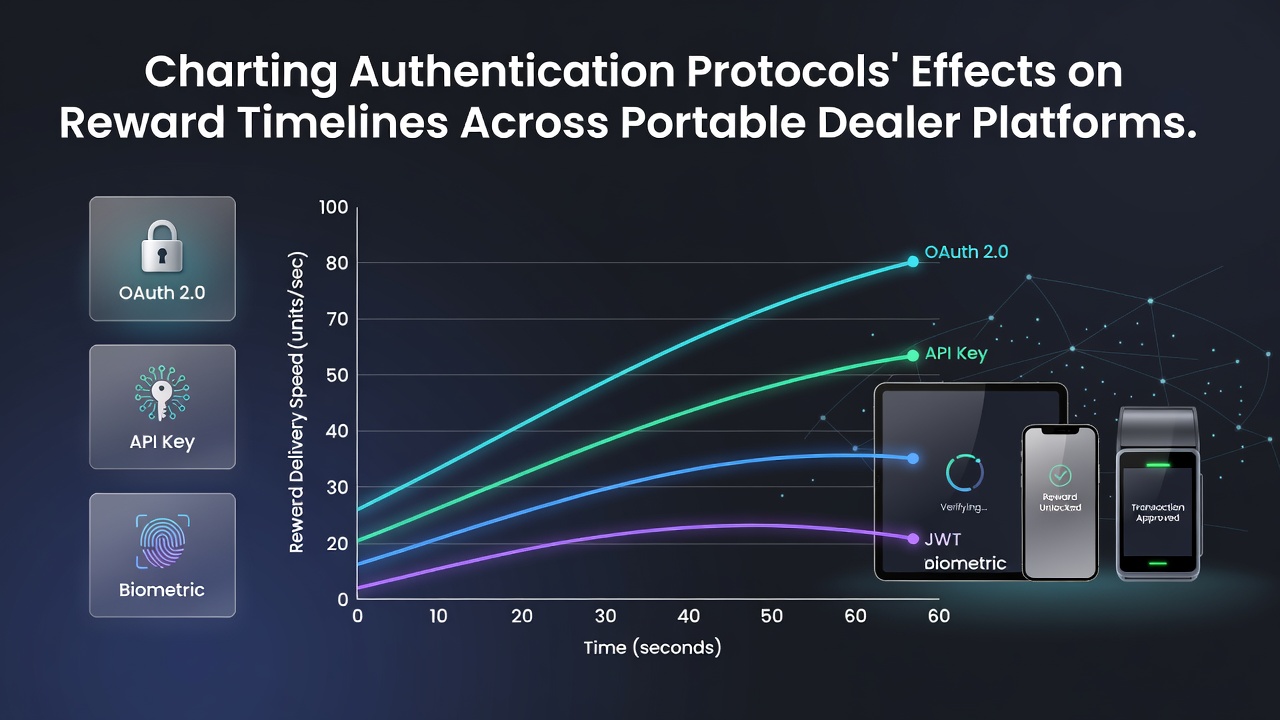
Charting Authentication Protocols' Effects on Reward Timelines Across Portable Dealer Platforms
Operators across mobile live dealer environments continue to refine authentication layers, and these choices directly shape how quickly rewards reach player accounts. Protocols range from basic password checks to multi-factor systems incorporating biometrics and device recognition, each carrying distinct processing demands that extend or compress verification windows before bonus credits or withdrawal approvals finalize. Data collected through 2026 highlights measurable differences in completion rates tied to protocol selection. Single-factor logins often clear within seconds on portable devices, yet they trigger extended secondary reviews when reward requests exceed certain thresholds. Multi-step processes involving SMS codes or app-based tokens add variable delays, particularly when network conditions fluctuate during live table sessions.Protocol Types and Their Processing Demands
Biometric options such as fingerprint or facial recognition integrate directly with mobile hardware, and studies show these methods reduce initial verification steps by up to 40 percent compared with manual document uploads. Researchers tracking activity on portable dealer platforms note that facial scans complete faster during peak hours because they bypass third-party verification queues. In contrast, traditional KYC document reviews require manual cross-checks that stretch timelines from minutes into hours or days when reward values increase.
Device-binding protocols link accounts to specific hardware signatures, and this approach allows returning sessions to skip repeated identity prompts. Observers tracking August 2026 platform updates report that operators adopting persistent device tokens saw reward activation intervals drop noticeably on both iOS and Android live dealer applications. Those systems still maintain fallback challenges for new devices or location changes, which reintroduces delays comparable to earlier verification stages.
Geographic Regulatory Influences on Timelines
Regional rules affect how authentication protocols operate in practice. The Alcohol and Gaming Commission of Ontario requires periodic re-verification for reward claims above defined amounts, and platforms serving that market have adjusted mobile flows accordingly to meet compliance without extending average processing windows beyond established benchmarks. Similar frameworks in Victoria, Australia, emphasize real-time identity matching during live sessions, which influences how quickly portable dealer rewards finalize after player requests.
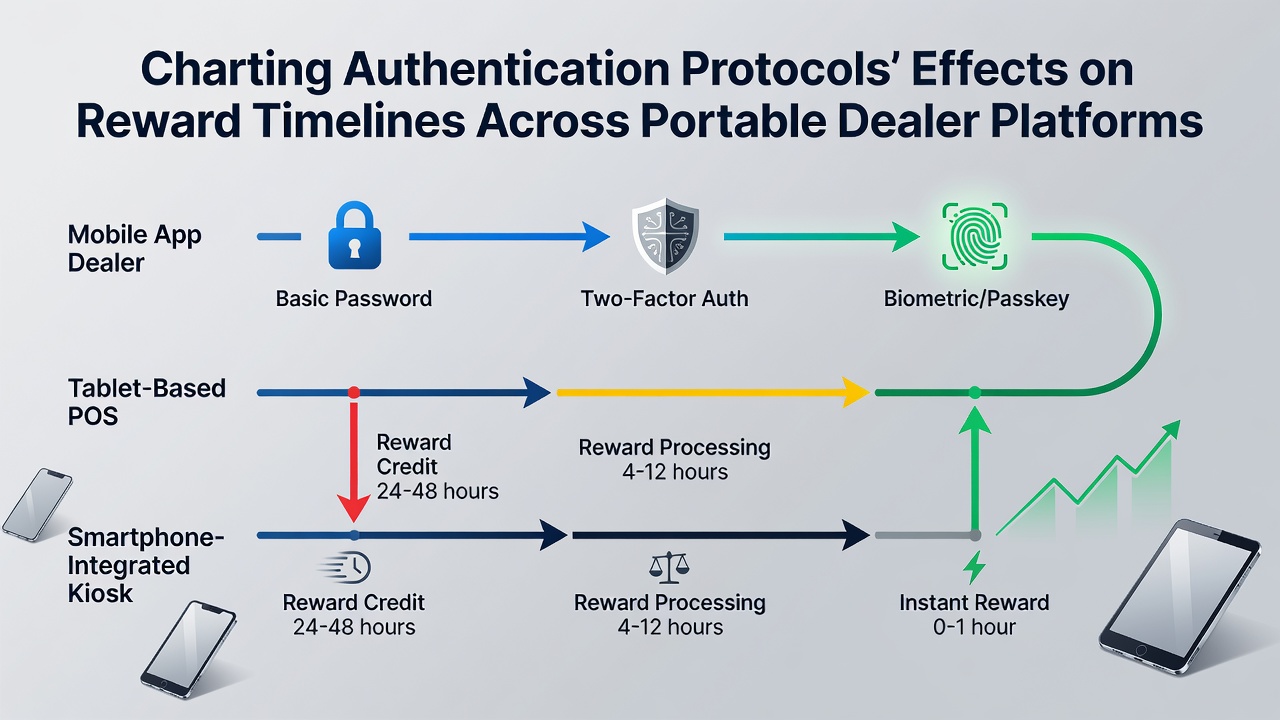
Platform operators balancing these requirements often deploy hybrid models that combine biometric entry with periodic regulatory checkpoints. Evidence from industry reports indicates such combinations maintain security standards while keeping most reward distributions within 15 to 45 minutes for standard live table bonuses on mobile devices.
Impact on Live Table Reward Activation
Live dealer environments add another layer because authentication must occur without interrupting ongoing games. Players who complete identity checks before joining tables encounter fewer interruptions when reward triggers activate mid-session. Platforms that embed continuous authentication, such as behavioral pattern monitoring, report smoother transitions between play and reward crediting compared with systems that require explicit re-entry of codes after each bonus event.
Statistics gathered from multiple operators reveal that biometric-first protocols correlate with higher completion rates for time-sensitive rewards, whereas SMS-dependent flows show greater variance tied to carrier delivery speeds. Those variances become especially apparent during high-traffic periods when message queues lengthen across networks.
Future Adjustments Observed in Mid-2026
Updates rolled out in August 2026 introduced refined token-refresh intervals on several portable platforms, and early figures suggest these changes further compressed reward timelines for verified accounts. Operators that integrated adaptive authentication, scaling verification depth according to transaction size and player history, achieved consistent reductions in average processing duration across both bonus unlocks and withdrawal requests.
Conclusion
Authentication protocol design continues to determine reward timelines on portable dealer platforms through direct effects on verification speed and regulatory alignment. Operators selecting biometric and device-bound methods record shorter intervals between request and credit, while those relying on manual or multi-channel checks experience extended windows under comparable conditions. Ongoing data collection through 2026 and beyond will clarify how incremental protocol refinements sustain or alter these patterns across different regulatory regions.