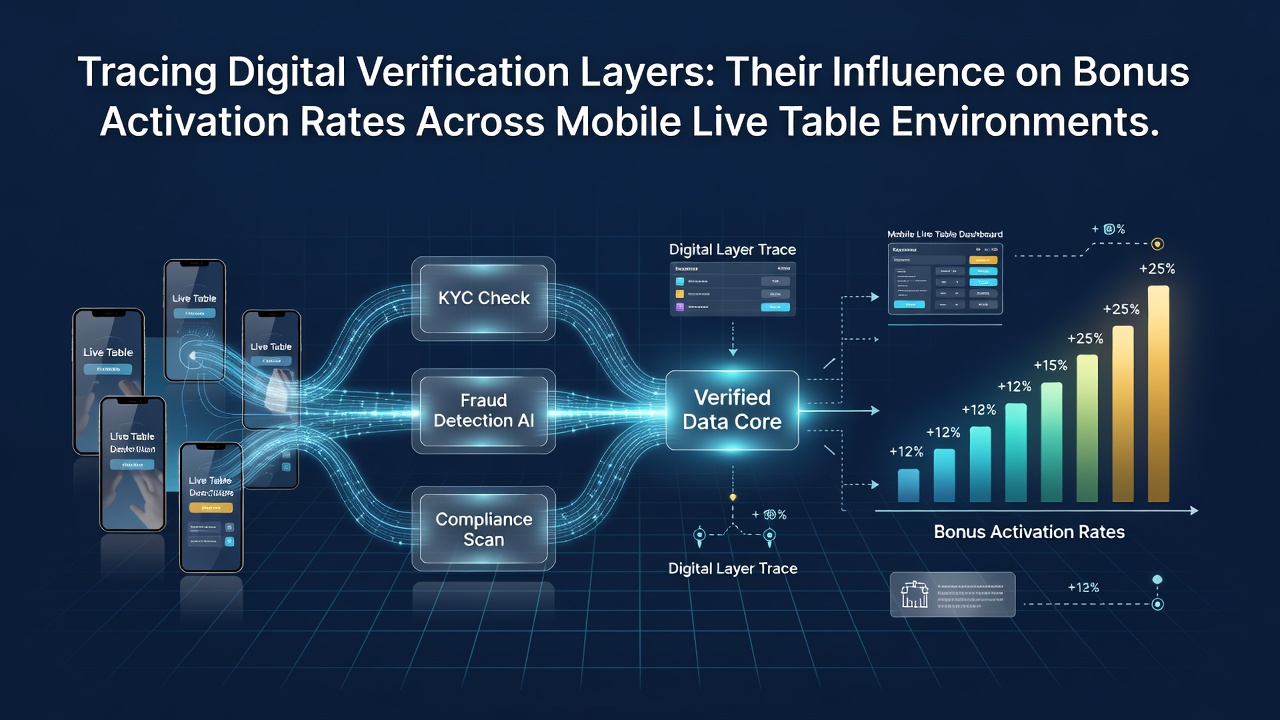
Tracing Digital Verification Layers: Their Influence on Bonus Activation Rates Across Mobile Live Table Environments
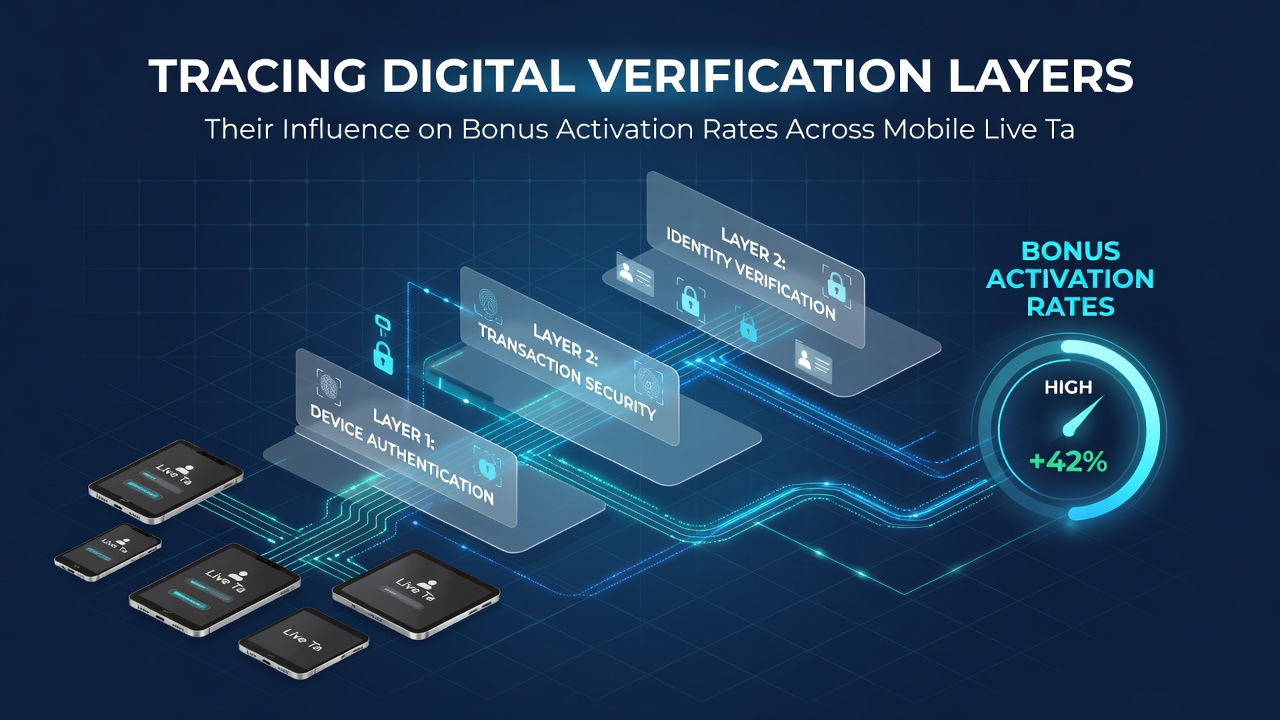
Digital verification layers consist of sequential checks that include identity confirmation, device authentication, and location tracking, all of which operate before players gain access to bonus features in mobile live table environments such as blackjack, roulette, and baccarat. These layers combine document uploads, biometric scans, and real-time data queries, while platforms integrate them to comply with regulatory standards across multiple jurisdictions. Research from 2025 indicates that the number of verification steps directly correlates with the time required to activate promotional offers, and operators report varying completion rates depending on the complexity of each layer.
Core Components of Verification Systems in Mobile Settings
Verification begins with basic account registration, then proceeds to government-issued ID validation, followed by facial recognition or liveness detection on smartphones, and concludes with IP address or GPS confirmation to establish player location. Each stage adds measurable friction because users must switch between apps, upload files, and wait for manual or automated reviews. Data from industry reports shows that players encounter an average of three to five distinct checkpoints before bonus codes become active in live dealer sessions, and delays often exceed 24 hours when secondary reviews occur. Mobile environments amplify these effects since smaller screens and variable network conditions increase the likelihood of upload failures or timeout errors during the process.
Bonus Activation Mechanics in Live Table Formats
Live table bonuses typically require players to complete verification before deposit matches or cashback offers apply to real-money wagers on streamed games. Systems flag incomplete profiles and block bonus claims until all layers clear, which creates a direct relationship between verification completion and activation success. Figures from platform analytics reveal that single-layer systems achieve activation rates near 85 percent within the first hour, whereas multi-layer protocols drop to approximately 62 percent in the same timeframe because users abandon the flow when additional prompts appear. Observers note that live table interfaces, which demand constant attention during dealer interactions, compete with verification pop-ups and further reduce completion rates among mobile users who multitask.
Statistical Patterns Observed Through 2026
Analysis of transaction logs from major operators during the first half of 2026 demonstrates that verification depth influences monthly bonus redemption volumes by as much as 18 percent across mobile cohorts. Regions with mandatory multi-factor requirements exhibit slower uptake compared with jurisdictions that permit conditional activation after initial ID checks. A study conducted by the iGaming Ontario research division tracked over 120,000 mobile sessions and found that players who passed biometric layers on the first attempt activated table bonuses 2.4 times faster than those who required resubmission. Additional data compiled by the European Gaming and Betting Association confirms similar trends in cross-border mobile traffic, where verification mismatches account for roughly one-third of abandoned bonus attempts in live environments.
Seasonal fluctuations appear in the records as well, with summer months recording higher device-switching rates that disrupt ongoing verifications. August 2026 data in particular highlights a 9 percent dip in activation compared with July figures, attributed to increased travel and network instability among mobile users attempting to complete final GPS checks while abroad.
Device and Network Variables Affecting Outcomes
Smartphone operating systems introduce additional variables because iOS and Android handle camera permissions and background processes differently during biometric scans. Users on older devices experience longer processing times for document uploads, which extends the interval between registration and bonus eligibility. Network latency compounds these issues, since live table streams consume bandwidth and leave less capacity for simultaneous verification uploads. Platform logs indicate that sessions conducted over 5G networks complete verification sequences 35 percent quicker than those on 4G, directly translating into higher bonus activation percentages during peak evening hours.
Regulatory Influences on Layer Implementation
Jurisdictions enforce differing minimum standards for player verification, and these rules shape how operators configure their mobile systems. Some authorities mandate independent third-party checks after initial platform screening, while others accept self-declared data supplemented by periodic audits. The resulting patchwork means players encounter inconsistent requirements when switching between markets, and cross-border operators must maintain multiple verification pathways to accommodate regional rules. Evidence collected by academic researchers at the University of Nevada, Reno, demonstrates that standardized single-window verification portals reduce average activation delays by 40 percent without compromising compliance metrics.
Conclusion
Digital verification layers continue to determine the speed and success of bonus activation in mobile live table environments through their cumulative effect on user flow and completion rates. Platform data through August 2026 underscores measurable differences tied to layer count, device capability, and regulatory alignment, while ongoing refinements in biometric tools and network integration point toward gradual improvements in activation efficiency across the sector.